
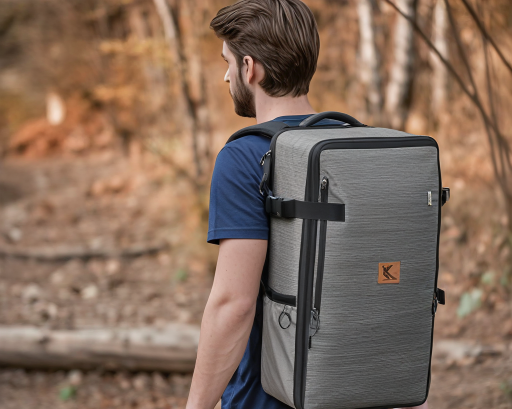
For many pet owners, our dogs aren’t just companions; they’re family members who deserve to be included in every facet of our lives. This often means wanting to take them on adventures beyond the neighborhood walk – hiking rugged trails, exploring bustling city streets, or even just running errands where leashed walking isn’t ideal. Enter the game-changer: the dog backpack carrier. This ingenious piece of pet gear has revolutionized how we transport our canine friends, offering safety, convenience, and a unique bonding experience. Whether you have a tiny Chihuahua, a senior pup with limited mobility, or an energetic small breed, a dog backpack carrier can unlock a world of shared experiences. Let’s delve into everything you need to know about choosing and using one effectively.
Why Choose a Dog Backpack Carrier? The Benefits Unveiled
The decision to use a dog backpack carrier isn’t just about convenience; it’s often about enhancing your dog’s quality of life and strengthening your bond. Here’s a closer look at the compelling advantages:
Enhanced Safety and Security
In crowded urban environments, busy markets, or on public transport, keeping a small dog safe can be challenging. A backpack carrier provides a secure enclosure, preventing your dog from getting stepped on, tangled in crowds, or spooked and darting into traffic. It also keeps them contained and away from potential hazards like dropped food, aggressive dogs, or harmful substances on the ground.
Increased Mobility and Adventure Potential
For outdoor enthusiasts, a dog backpack carrier is indispensable. It allows you to take your small or less mobile dog on hikes, bike rides, or camping trips they wouldn’t otherwise manage. You conquer challenging terrain while your pup enjoys the sights and smells from a safe, elevated vantage point. It effectively extends your dog’s world.
Comfort and Reduced Stress (For Both of You!)
Carrying a dog in your arms for extended periods can be tiring and awkward. A well-designed backpack carrier distributes the weight evenly across your back and shoulders, making transportation far more comfortable. For the dog, being securely held close to you can be calming, especially in stressful environments like the vet, crowded events, or during travel (always check airline policies).
Inclusion and Socialization
A backpack carrier allows your dog to be part of activities they might otherwise miss out on. They get to experience new environments, sights, and sounds safely, which can be excellent for controlled socialization. It also means you don’t have to leave your furry friend behind when heading out for errands or social visits where dogs on the ground aren’t practical.
For dogs recovering from surgery or injury, or senior dogs with arthritis, a backpack carrier provides essential mobility assistance without straining their bodies.
Navigating the Options: Types of Dog Backpack Carriers
Not all dog backpack carriers are created equal. Understanding the different styles and their intended uses is crucial for finding the perfect match for you and your pup.
Traditional Hard-Shell Backpacks
These carriers feature a rigid plastic shell, often with ventilation holes or mesh panels. They resemble a traditional hiking backpack but with a dedicated compartment for your dog.
- Pros: Excellent protection and structure; good ventilation; often more stable feel for the dog; easier to clean interior.
- Cons: Can be bulkier and heavier even when empty; less flexible; may feel more enclosed for the dog.
- Best For: Hiking, biking, situations where maximum protection is desired, owners who prefer a very structured feel.
Soft-Sided Backpack Carriers
Made from durable fabrics like nylon or canvas, these carriers are lighter and more flexible than hard-shell options. They often feature ample mesh panels for breathability.
- Pros: Lightweight; often more compact and easier to store; generally more affordable; flexible and comfortable for the wearer; many have expandable options.
- Cons: Less rigid protection; may require more careful packing to maintain shape; fabric can be warmer in hot weather.
- Best For: Everyday use, city travel, errands, public transport, shorter hikes, warmer climates (with good mesh).
Front-Carrying Carriers
While technically not “backpacks,” these are worth mentioning. They allow you to carry your dog on your chest.
- Pros: Constant visibility and interaction with your dog; easier to monitor their comfort; potentially more reassuring for anxious dogs.
- Cons: Can be less comfortable for longer carries; weight distribution is primarily on the shoulders and front; limits your forward vision slightly.
- Best For: Small puppies, very anxious dogs, situations where close monitoring is essential, shorter durations.
Specialty Carriers (Bike Mounted, Rolling)
Some carriers are designed to attach specifically to bicycle handlebars or racks. Others incorporate wheels, functioning like pet strollers but with backpack straps for versatility.
- Pros: Hands-free biking with your dog; rolling options reduce carrying strain over flat terrain.
- Cons: Bike mounts require compatible bikes and secure attachment; wheeled carriers can be bulky.
- Best For: Dedicated cyclists, transporting dogs over long flat distances (wheeled versions).
Choosing the Perfect Carrier: Key Considerations
Selecting the right dog backpack carrier involves more than just picking a cute design. Here are the critical factors to weigh:
Dog Size and Weight Capacity
This is paramount. Accurately measure your dog’s height, length, and weight. Pay close attention to the carrier’s internal dimensions and maximum weight limit. Your dog should be able to stand up, turn around comfortably, and lie down inside the carrier without being cramped. Remember to factor in the combined weight of your dog *and* the carrier itself when assessing your own carrying capacity.
Comfort and Safety Features (For Dog and Human)
- Ventilation: Ample mesh panels (especially on multiple sides) are essential for airflow and preventing overheating.
- Padding: Look for padded straps (shoulder and waist/chest if available), a padded back panel, and a padded base inside the carrier for your dog’s comfort.
- Harness Clip: A safety tether or clip inside the carrier allows you to attach your dog’s harness, preventing them from jumping out unexpectedly.
- Secure Closures: Sturdy zippers, snaps, or buckles that won’t fail.
- Adjustability: Straps should be easily adjustable to fit your torso comfortably and distribute weight effectively. Load lifters (on hiking-style packs) are a bonus.
Durability and Construction
Look for robust materials – ripstop nylon, reinforced stitching, strong buckles, and quality zippers. The carrier needs to withstand regular use, potential scrapes, and the weight of your dog.
Ease of Use and Accessibility
Consider how easy it is to get your dog in and out. Top-loading carriers are common, but some offer side or front entry. Can you access your dog easily to offer water or comfort? Are there pockets for storing essentials like poop bags, treats, a collapsible water bowl, or your keys?
Intended Use
Match the carrier to your primary activity. A lightweight soft carrier suffices for city trips, while rugged hikes demand a sturdy, supportive backpack, potentially with a frame. If you travel frequently, ensure the carrier meets airline under-seat requirements if needed (dimensions vary by airline).
Top Picks: Recommended Dog Backpack Carriers
(Note: Models and availability change; these are examples based on popularity and features as of recent knowledge.)
For Hiking & Adventure: Kurgo G-Train
A robust backpack carrier designed for active use. Features a metal frame for stability, adjustable torso length, ample ventilation, safety tether, and storage pockets.
- Pros: Excellent support, durable, good ventilation, safety features.
- Cons: Higher price point, can be bulky.
For Everyday & Urban Use: Petsfit Expandable Carrier Backpack
A popular soft-sided option known for its expandable feature (giving the dog more room when stationary), multiple entry points, ventilation, and comfort.
- Pros: Affordable, lightweight, expandable, good ventilation.
- Cons: Less rigid support than hiking packs.
For Air Travel: Sherpa Original Deluxe
A widely recognized soft-sided carrier specifically designed to meet the size requirements of many airlines for under-seat stowage. Features mesh panels, a padded bottom, and a seatbelt strap.
- Pros: Airline-approved design (check specific dimensions!), relatively lightweight, familiar to airline staff.
- Cons: Primarily for transport, not extended carrying comfort.
Premium Comfort Option: K9 Sport Sack
Known for its unique design where the dog sits upright, looking over your shoulder. Offers various sizes and models, including those with more ventilation or adventure-focused features.
- Pros: Allows dog to see forward, good back support for wearer, durable.
- Cons: Dog must be comfortable in a more upright position, higher price point.
Mastering the Use: Tips for a Happy Experience
Getting a carrier is just the first step. Ensuring a positive experience requires preparation and practice.
Acclimating Your Dog
Never just stuff your dog into a new carrier and head out. This can create fear and anxiety.
- Introduce Slowly: Place the carrier on the floor with the door open. Let your dog explore it voluntarily. Toss treats inside.
- Positive Association: Feed meals near or inside the carrier. Offer favorite toys and praise.
- Short Sessions: Once comfortable entering, zip them in (with you nearby) for very short periods, gradually increasing time. Offer treats and calm reassurance.
- Add Weight: Start carrying the carrier with your dog inside for very short durations around the house before venturing outside.
Packing and Preparing for the Trip
- Comfort Items: Add a familiar blanket or small bed for scent and comfort.
- Hydration: Always bring water and a collapsible bowl. Offer water frequently, especially in warm weather.
- Ventilation Check: Ensure mesh panels are fully uncovered and airflow is good.
- Safety Clip: Always attach your dog’s harness to the internal safety tether.
- Weight Distribution: Pack any additional items (water, supplies) evenly and close to your back.
- Weather Considerations: In hot weather, be extra vigilant about overheating. Consider cooling pads. In rain, ensure the carrier has a rain cover or use an umbrella.
On the Go: Safety and Comfort Checks
- Frequent Breaks: Schedule regular stops every 30-60 minutes (or more often for puppies/seniors) to let your dog stretch, relieve themselves, drink water, and get some ground time.
- Monitor Your Dog: Pay attention to their breathing and behavior. Signs of distress include excessive panting, whining, trembling, or lethargy. Stop immediately if concerned.
- Monitor Yourself: Ensure the straps are adjusted correctly. Take breaks if you feel strain in your back or shoulders. Proper posture is key.
- Be Mindful of Surroundings: Avoid bumping into objects or people. Be cautious on stairs or uneven terrain.
Frequently Asked Questions (FAQs)
What size dog can fit in a backpack carrier?
Backpack carriers are typically designed for small dogs, usually under 15-20 pounds, though some heavy-duty models accommodate slightly larger breeds. Always check the specific carrier’s weight and dimension limits. Medium and large dogs require different solutions like dog carts or strollers.
Are dog backpack carriers safe?
When chosen correctly for the dog’s size, used appropriately, and safety features (like harness clips and ventilation) are utilized, they are very safe. Safety depends heavily on the owner following best practices: acclimation, weight limits, avoiding extreme weather, and frequent monitoring.
Can my dog be in the carrier for long periods?
No. Dogs need regular breaks to move, relieve themselves, drink water, and experience their environment directly. Aim for breaks every 30-60 minutes. The carrier is for transport, not prolonged confinement.
How do I clean my dog backpack carrier?
Follow the manufacturer’s instructions. Most fabric carriers have removable pads that can be machine-washed (gentle cycle). The shell can often be wiped down with a damp cloth and mild soap. Air dry thoroughly. Hard-shell carriers can usually be wiped clean inside and out.
Can I use a dog backpack carrier on an airplane?
Some soft-sided carriers are specifically designed and dimensioned to fit under airplane seats. You MUST check your airline’s specific pet policy and under-seat dimension requirements well in advance. Hard-shell carriers are rarely airline-approved for cabin travel. Fees and restrictions apply.
Conclusion: Unleash a World of Shared Adventures
A dog backpack carrier is more than just a bag; it’s a passport to shared experiences. It bridges the gap between your desire for adventure and your dog’s physical capabilities or safety needs. By carefully selecting the right carrier based on your dog, your lifestyle, and prioritizing features like comfort, safety, and ventilation, you invest in countless moments of joy and companionship. Remember the golden rules: proper acclimation, respecting weight limits, vigilance about your dog’s well-being, and frequent breaks. With the right preparation and mindset, your dog backpack carrier will become an indispensable tool, allowing you and your furry best friend to explore the world together, one comfortable step (or carry) at a time. Happy trails!