
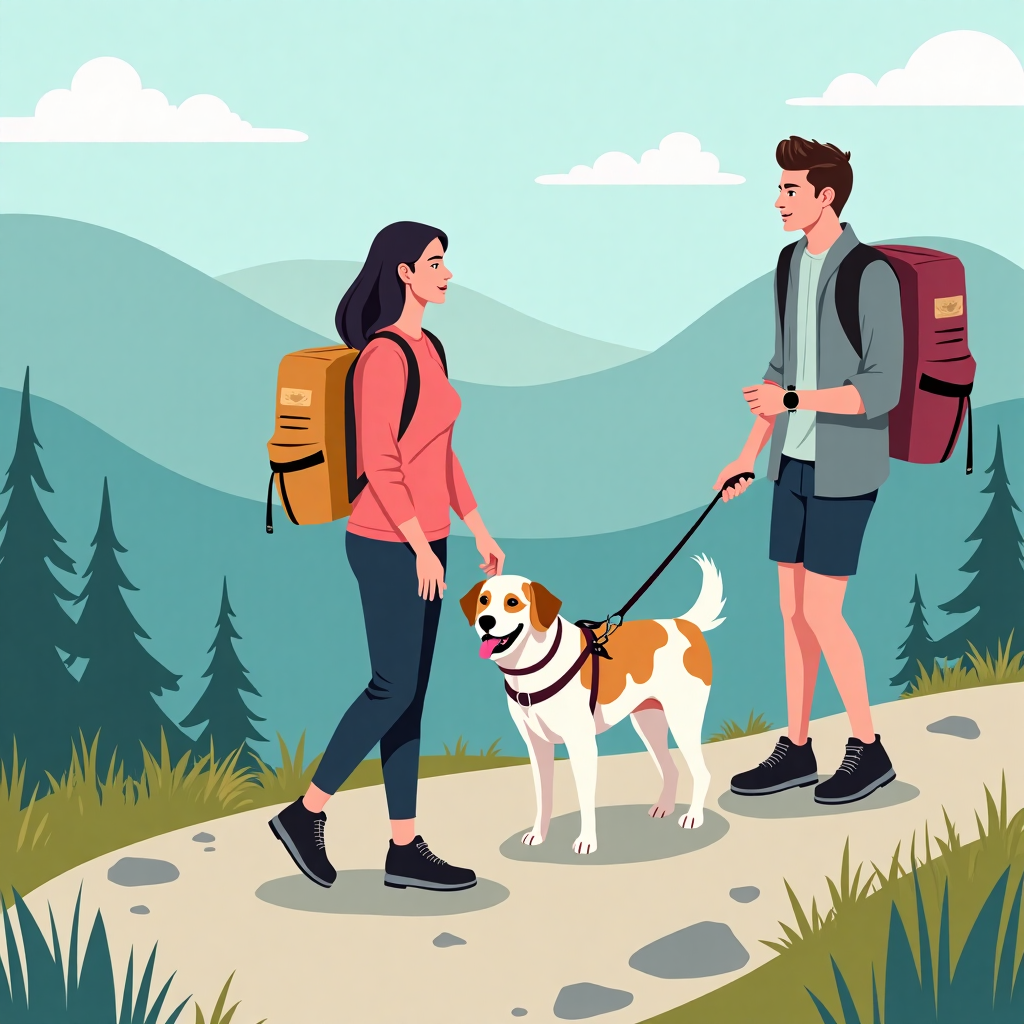
Hitting the trails with your canine companion is one of life’s greatest joys. The shared exploration, the fresh air, the wagging tail – it’s pure bliss. But just like you wouldn’t head into the wilderness without proper preparation, your dog needs the right gear to ensure their safety, comfort, and enjoyment on the trail. Whether you’re planning a short local hike or a multi-day backpacking adventure, having the appropriate dog hiking gear is non-negotiable. It transforms a potentially stressful outing into a rewarding experience for both of you. This guide dives deep into the essential equipment you need to consider before lacing up those boots (yours and maybe your dog’s!).
The Non-Negotiables: Core Dog Hiking Gear
Before we get into specialized items, let’s cover the absolute must-haves. These are the foundational pieces that every hiking dog should have, regardless of the trail’s length or difficulty.
1. A Sturdy, Well-Fitting Harness
Ditch the collar for hiking. A collar puts pressure on your dog’s neck, which can be dangerous if they pull or slip on uneven terrain. A harness distributes force across the chest and shoulders, providing better control and preventing injury. Look for:
- Fit: It should be snug but not tight. You should be able to fit two fingers comfortably between the harness and your dog’s body. Check for chafing points.
- Durability: Made from robust materials like nylon webbing or Cordura. Check stitching quality.
- Handles: A sturdy top handle is invaluable for assisting your dog over obstacles, crossing streams, or controlling them in tricky situations.
- Attachment Points: Front and back D-rings offer versatility. A back ring is standard for leash attachment, while a front ring can help discourage pulling.
- Comfort: Padded chest panels and breathable materials prevent rubbing, especially on longer hikes.
2. A Reliable Leash
While off-leash freedom is tempting (and sometimes permissible), a leash is crucial for safety on most trails. It prevents your dog from chasing wildlife, approaching unknown people or dogs, or wandering into dangerous terrain.
- Type: A standard 6-foot leash offers good control. Consider a hands-free waist leash for easier movement if your dog walks well. Biothane leashes are excellent for hiking as they are waterproof, durable, and easy to clean.
- Retractable Leashes: Generally not recommended for hiking. They offer poor control on uneven ground, can get tangled easily, and the thin cord can snap or cause injury if your dog bolts suddenly.
3. Hydration Solutions: Water & Bowls
Dogs can dehydrate quickly, especially when exercising. Never assume streams or lakes will be available or safe for drinking (contaminants like Giardia are a real risk).
- Water: Carry enough for your dog. A general rule is about 1 ounce of water per pound of body weight per day, plus extra for activity. Factor this into your own water carry.
- Bowls/Collapsible Options: Collapsible silicone bowls are lightweight and packable. Some water bottles come with attached bowls. Look for options that are easy for your dog to drink from without spilling everywhere.
- Portable Dog Water Bottles: These bottles have a built-in bowl or dispenser, making it easy to offer water on the go without stopping to unpack a bowl.
Paw Protection: Don’t Forget Those Feet!
Your dog’s paws are their hiking boots. Trails can be rough – rocky, hot, cold, or covered in abrasive material. Protecting them is paramount.
1. Dog Boots (Paw Protection)
Boots aren’t just a fashion statement; they’re essential protection in many conditions.
- When Needed: Extreme heat (hot pavement, desert sand), extreme cold/snow, sharp rocks/gravel, ice melt chemicals, protecting injured paws, or traversing abrasive terrain like volcanic rock.
- Choosing Boots: Look for durable soles (Vibram is a good brand), breathable uppers, secure closures (Velcro or zippers), and a snug but comfortable fit. Measure your dog’s paws carefully! Allow your dog time to get used to wearing them at home before hitting the trail.
2. Paw Balm
Even if boots aren’t necessary, paw balm is a great preventative measure. It moisturizes pads, prevents cracking, and creates a protective barrier against rough surfaces, salt, and hot ground. Apply before and after hikes.
3. Post-Hike Paw Check
Always thoroughly inspect your dog’s paws after a hike. Look for cuts, abrasions, thorns, ticks (especially between toes), or cracked pads. Clean any wounds promptly.
Safety First: Identification & First Aid
Accidents happen. Be prepared to handle minor injuries and ensure your dog can be identified if they get lost.
1. Updated ID Tags
Ensure your dog’s collar has a sturdy, legible ID tag with your current phone number. Consider adding a second phone number (like a partner or family member).
2. Microchip
A microchip is a permanent form of identification that can’t fall off like a collar tag. Ensure the information linked to the chip is current.
3. Canine-Specific First Aid Kit
Carry a compact first aid kit tailored for dogs. It should include:
- Gauze pads and rolls
- Adhesive tape (vet wrap is great)
- Antiseptic wipes or solution
- Tick removal tool
- Blunt-ended scissors
- Benadryl (check dosage with your vet beforehand for allergic reactions)
- Saline solution for eye flushing
- Paw balm
- Any specific medications your dog requires
Know basic canine first aid or carry a quick-reference guide.
4. Visibility Gear (Lights/Reflective Gear)
If hiking near dawn, dusk, or in low-light conditions, ensure your dog is visible. A LED collar light or clip-on light, and reflective strips on their harness, make them much easier to spot.
Carrying the Load: Backpacks for Dogs
For healthy, fit adult dogs, a dog backpack (often called a pack or saddlebag) can be a fantastic addition. It allows them to carry their own supplies, lightening your load.
- Benefits: Builds confidence, provides mental stimulation, helps burn more energy. They can carry their own water, food, collapsible bowl, waste bags, and maybe a toy.
- Choosing a Pack: Fit is critical! It should sit comfortably over the shoulders and not rub. Look for adjustable straps, balanced pockets on both sides (never overload one side), durable materials, and maybe a handle on top. Measure your dog’s girth and length.
- Weight Limit: Never exceed 10-15% of your dog’s body weight in the pack. Start with very light loads (just the empty pack, then add a few items) and gradually increase weight and distance as your dog builds strength and endurance.
- When Not to Use: Puppies, senior dogs, dogs with joint/back problems, brachycephalic breeds (pugs, bulldogs), or in extreme heat.
Comfort and Practicality: Other Useful Gear
Beyond the essentials, consider these items to enhance comfort and convenience:
1. Insulating Jacket or Vest
For cold-weather hikes, short-haired breeds, senior dogs, or smaller dogs, an insulated jacket can prevent hypothermia. Look for waterproof or water-resistant options if hiking in wet conditions.
2. Cooling Vest or Bandana
For hot-weather hikes, a cooling vest soaked in water or an evaporative cooling bandana can help regulate your dog’s temperature. Always prioritize hiking in cooler parts of the day and providing ample water and shade.
3. Tick Prevention & Removal
Ticks are a significant risk in many hiking areas. Use a veterinarian-recommended tick prevention treatment *before* your hike. Carry a tick removal tool and know how to use it properly. Check your dog (and yourself!) thoroughly after the hike, paying close attention to ears, neck, armpits, and between toes.
4. Waste Bags and Trowel (or Plan for Packing Out)
Leave No Trace applies to dogs too! Always carry biodegradable waste bags. Pack out your dog’s waste, especially in sensitive environments like alpine zones or near water sources. In some backcountry areas, you may need to dig a cathole (6-8 inches deep) well away from trails and water, but always check regulations first – packing out is often the required or best practice.
5. Towel or Blanket
A quick-dry towel is handy for wiping down muddy or wet paws (and bodies!) after stream crossings or rain. A small blanket can provide insulation if your dog needs to rest on cold ground.
6. Long-Lasting Treats or Chews
High-value treats are great for rewards and training moments on the trail. A durable chew can provide mental stimulation during rest breaks.
Preparing Your Pup: More Than Just Gear
Having the right gear is crucial, but preparing your dog physically and mentally is equally important.
- Conditioning: Don’t start with a 10-mile hike if your dog is a couch potato. Gradually increase distance and difficulty to build endurance and strengthen paw pads.
- Trail Manners: Work on leash skills, recall (even if leashed, it’s good practice), “leave it” (for wildlife, trash, or unsafe items), and how to behave around other hikers and dogs.
- Know Your Dog’s Limits: Pay attention to their energy levels, breathing, and gait. Know the signs of overheating (excessive panting, drooling, bright red gums, lethargy) and hypothermia (shivering, lethargy, weakness). Be prepared to turn back if needed.
- Check the Weather & Trail Conditions: Adjust your plans and gear based on forecasted temperatures, precipitation, and trail reports (e.g., snow levels, river crossings).
Conclusion: Hike Happy, Hike Safe
Investing in the right dog hiking gear isn’t about frivolous spending; it’s an investment in safety, comfort, and countless future adventures with your best friend. From the foundational harness and leash to paw protection, hydration systems, and safety items, each piece plays a vital role in ensuring a positive experience for both of you. Remember to tailor your gear choices to your dog’s specific needs, the environment you’ll be hiking in, and the length of your trip. Combine quality gear with proper conditioning and trail etiquette, and you’ll be well on your way to creating unforgettable memories on the trail with your adventurous pup. Happy hiking!