
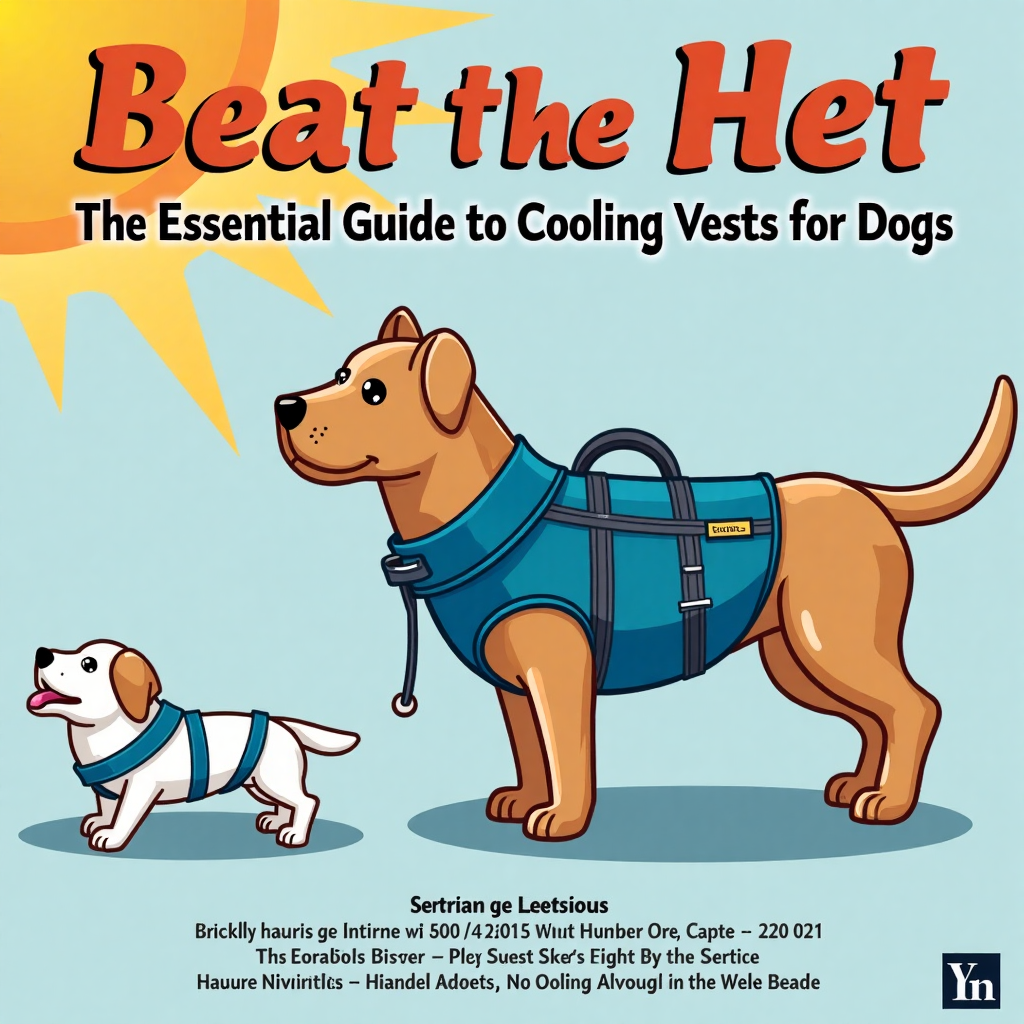
Beat the Heat: Your Essential Guide to Cooling Vests for Dogs
As summer temperatures soar, our canine companions face a significant challenge. Unlike humans, dogs have a limited ability to cool themselves down, primarily relying on panting and a small number of sweat glands in their paws. For many breeds—especially those with thick double coats, short snouts (brachycephalic breeds), or dark fur—overheating isn’t just uncomfortable; it’s a medical emergency. Heatstroke in dogs is a swift and deadly threat. This is where the ingenious innovation of the dog cooling vest steps in, transforming from a niche product to a summertime essential for responsible pet owners. More than just a cute accessory, a properly fitted cooling vest can be a lifesaver, allowing your dog to safely enjoy walks, hikes, and outdoor adventures even on warm days.
How Do Dog Cooling Vests Actually Work?
At their core, dog cooling vests function on simple principles of thermoregulation, acting as a personal climate control system for your pup. They don’t require electricity or batteries; instead, they leverage evaporative or phase-change technology to draw heat away from the dog’s body. Understanding the two main types is key to choosing the right one for your lifestyle and your dog’s needs.
1. Evaporative Cooling Vests
These are the most common and generally affordable type. The vest is made from a special absorbent fabric. You soak it in cool water for a few minutes, wring out the excess, and put it on your dog. As your dog moves and air passes over the damp vest, the water slowly evaporates. This process of evaporation pulls heat from your dog’s body, creating a significant cooling effect that can last for one to several hours, depending on the humidity and temperature. They are incredibly effective in dry or low-humidity climates.
2. Phase-Change Cooling Vests
This technology is a step up in sophistication. Instead of using evaporation, these vests contain non-toxic cooling panels or crystals that are “activated” by placing them in cold water or a refrigerator (not a freezer, unless specified). These panels are designed to maintain a specific, safe cool temperature (often around 59°F or 15°C) for an extended period, typically 1-3 hours. The major advantage is that they work effectively even in high-humidity environments where evaporative vests struggle. They are often more expensive but provide consistent, powerful cooling.
Choosing the Perfect Cooling Vest: A Buyer’s Checklist
Not all cooling vests are created equal. A vest that’s perfect for a Labrador on a beach hike may be overkill for a French Bulldog on a short neighborhood stroll. Here are the critical factors to consider before making your purchase:
- Fit is Paramount: This is non-negotiable. The vest should be snug but not constricting, allowing full range of motion. Measure your dog’s girth (the widest part of the chest behind the front legs) and length (base of neck to tail) and consult the manufacturer’s size chart meticulously. A vest that’s too loose won’t make proper contact to cool effectively; one that’s too tight can restrict breathing and movement.
- Climate & Intended Use: Match the technology to your environment. Choose an evaporative vest for dry climates and casual use. Opt for a phase-change vest for humid climates, intense activities, or for dogs prone to severe overheating.
- Material & Design: Look for durable, lightweight, and quick-drying fabrics. Mesh panels on the underside can enhance breathability. Reflective strips are a fantastic safety feature for evening walks. Ensure the closures (usually Velcro or buckles) are robust and adjustable.
- Ease of Use & Care: Consider how easy it is to put on and take off, especially if your dog is squirmy. Check if the vest is machine washable for easy cleaning after a muddy or sandy adventure.
Beyond the Vest: Holistic Summer Safety for Your Dog
A cooling vest is a powerful tool, but it should be part of a comprehensive summer safety strategy. It is not a license to ignore basic heat precautions.
- Hydration is Key: Always carry fresh, cool water and a collapsible bowl. Encourage your dog to drink small amounts frequently.
- Timing is Everything: Walk during the coolest parts of the day—early morning and late evening. Avoid midday sun entirely. A simple test: place the back of your hand on the pavement for 7 seconds. If it’s too hot for you, it’s dangerously hot for your dog’s paws.
- Never Leave in a Car: Even with a cooling vest on, a parked car can become a lethal oven in minutes, even with windows cracked.
- Know the Signs of Heatstroke: Excessive panting/drooling, bright red gums, lethargy, confusion, vomiting, diarrhea, and collapse. If you suspect heatstroke, move your dog to a cool place, apply cool (not cold) water to their body, and seek immediate veterinary attention.
- Provide Constant Shade & Indoor Cooling: Ensure your dog always has access to a cool, shaded, and well-ventilated area. Indoors, fans and air conditioning are ideal.
Conclusion: A Summer of Safe, Happy Adventures
Investing in a high-quality cooling vest for your dog is an act of profound love and responsibility. It’s more than a product; it’s a proactive measure that directly enhances your dog’s welfare, comfort, and ability to partake in the joy of being active with you. By understanding the different technologies, prioritizing the perfect fit, and integrating the vest into a broader framework of heat safety, you empower yourself to protect your furry family member from a silent, swift danger. As the mercury rises, let a cooling vest be your partner in ensuring that summer memories are filled with happy panting, playful zoomies, and peaceful naps in the shade—not emergency vet visits. Your dog’s boundless enthusiasm for life, safely tempered against the heat, will be your greatest reward.